Broadfork builds farms.
We partner with parents, schools, churches, governments, developers, researchers, retailers and hospitality groups to build farms that produce food and serve as labs. They teach the curious and ambitious, and they feed the most vulnerable.
10 by 2030
Farms we are committed to building across Texas
8
Kinds of partners, from parents and pastors to developers and chefs
52
Weeks a year every farm is tended, summer included
5th
Generation farmer leading every build
Why farms
You cannot build a local food system without farms.
So we build them.
Small farms are disappearing, and the food on most Texas tables travels a long way to get there. Every conversation about local food runs into the same wall: there are not enough farms close to the families they are meant to feed.
Our answer is arithmetic. The more farms we build, the more access our families have to fresh, nutritious food. A resilient local food system is not one big farm. It is many working farms, on campuses, church grounds, public land and new communities, each one producing food and producing growers.
A broadfork opens compacted ground without turning it over. Depth, without destroying what is already there. We build the same way: on the land, the people and the institutions a community already has.
Every farm does two jobs
A lab that teaches. A farm that feeds.
The lab
Teach the curious and ambitious.
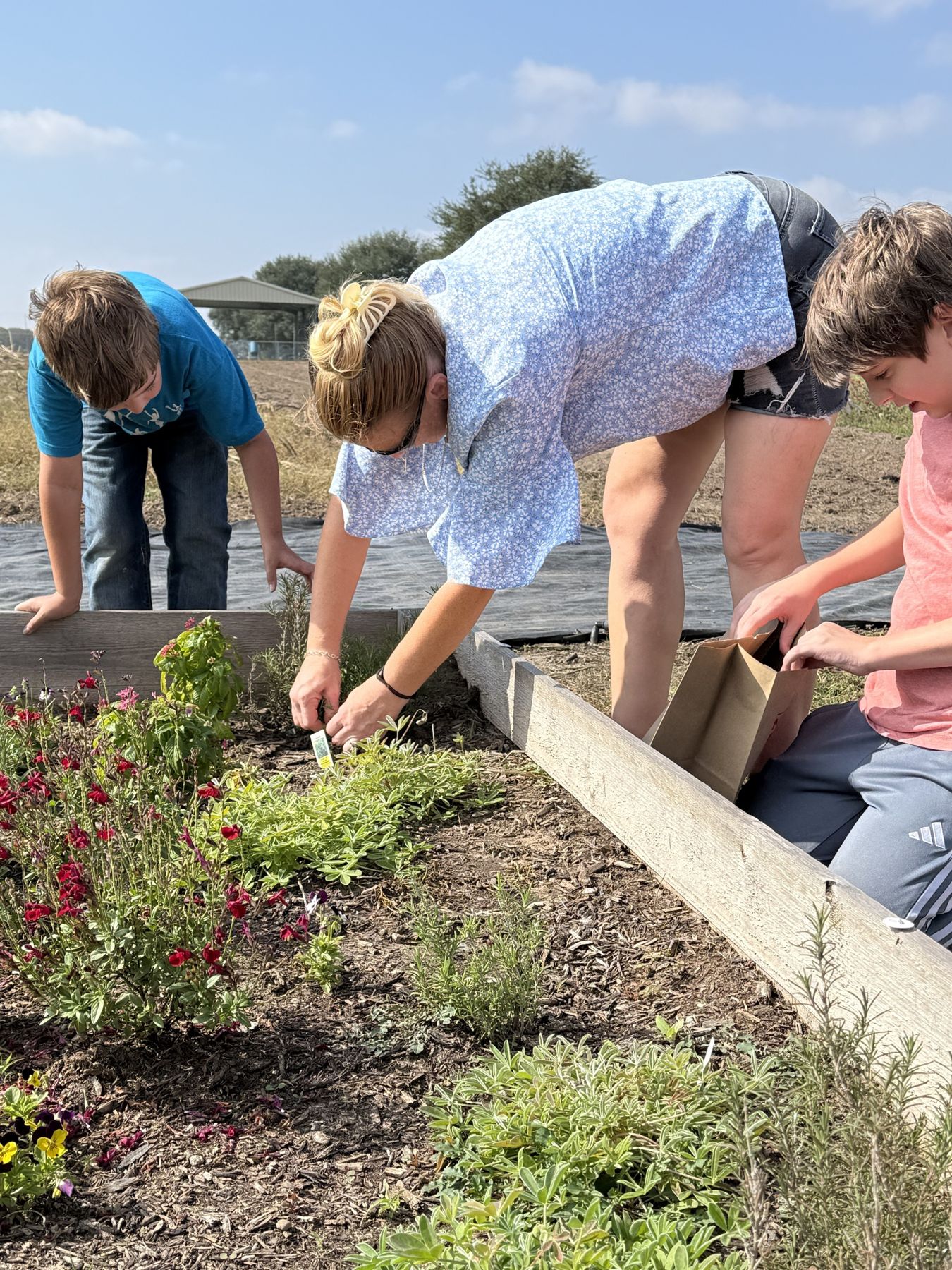
Every farm is a working classroom for students, homeschool families, congregations and adults starting over. People learn by growing real food on a real schedule.
Hands-on grower series for kids and families
Plant-systems SAE and industry certification for students
Paid crew positions over summers and breaks
Research plots for university and extension partners
The farm
Feed the most vulnerable.
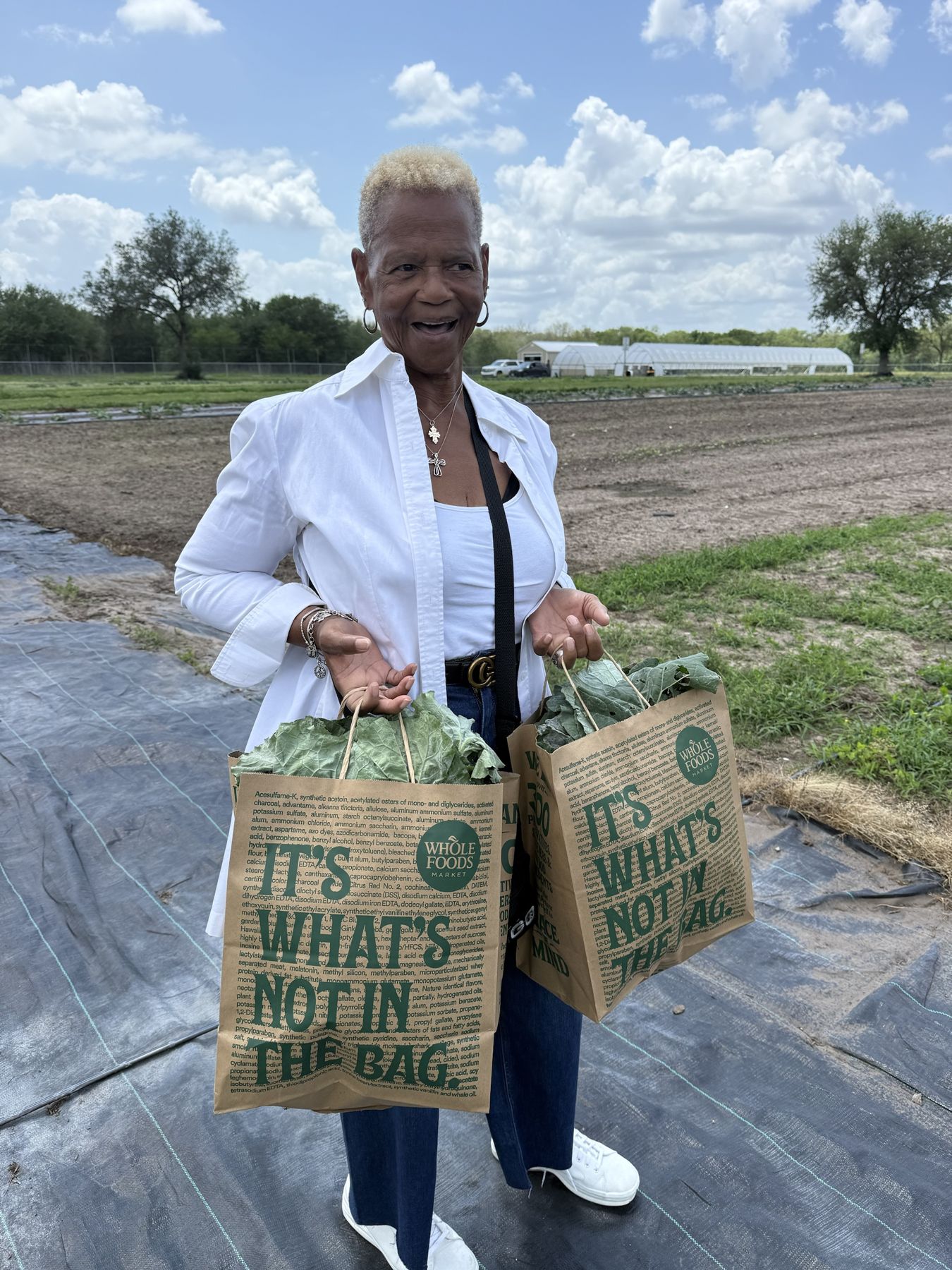
Harvest goes to the people with the least access to fresh food first. Every farm has a plan for where the food goes before the first seed goes in.
Weekly harvest to school culinary programs
Church and pantry distribution to food-insecure households
U-pick and on-farm days for neighbors
Local supply for grocers, chefs and kitchens
Farm to school.
Farm to table.
Farm to family.
Who we build with
Eight kinds of partners. One kind of farm.
Every partner brings something a farm needs: land, people, purpose, capital or a market. We bring the farmer, the plan and the fifty-two weeks of work it takes to keep a farm producing.
01
Parents and homeschool co-ops
Grower series and family farm days on a fixed host site, fall and spring.
What it returns
Kids who know how food is grown, and a co-op with its own farm.
02
Schools and districts
Campus farm labs designed, built and operated year-round under contract.
What it returns
CTE certifications, SAE records, scholarships and fresh food for the culinary program.
03
Churches and faith communities
Farms on church grounds that feed the congregation and the neighborhood.
What it returns
A ministry that produces food every week and draws people in.
04
Cities, counties and state agencies
Production farms on public land, parks and underused parcels.
What it returns
Measurable food access, workforce training and a visible win for residents.
05
Developers and planned communities
Teaching farms built into new neighborhoods as a working amenity.
What it returns
A farm residents can see, taste and join. Amenity value without a golf course budget.
06
Researchers and universities
Field trial plots managed to protocol, with data collected on schedule.
What it returns
Clean field data from regenerative growing practices and real growing conditions.
07
Retailers and grocers
Dedicated farms that grow for your shelves and your community programs.
What it returns
Local produce with a story, and a supply line you helped build.
08
Hospitality groups and restaurants
Kitchen gardens and dedicated acreage grown to a chef's menu.
What it returns
Ingredients picked to order, and a farm guests can visit.
How we build
Four phases. The last one builds the next farm.
Farms fail when nobody's job is to be there on weekends, over breaks and through the summer. We start there. A named farmer is on the calendar fifty-two weeks a year.
Phase 01
Site walk and plan
Soil, water, access, people and calendar. A written read on what the ground can carry, what it should grow and who it should feed.
Phase 02
Build and first planting
Beds, irrigation, wash and pack, tool storage and signage. Built to be worked by students, members or volunteers, not a landscape crew.
Phase 03
Operate year-round
A named farmer on the calendar fifty-two weeks. Crop plan, crew supervision, food safety, harvest delivery and monthly reporting.
Phase 04
Multiply
Every farm trains growers, saves seed and proves the model. Its partners, people and data become the start of the next farm.
Every Broadfork farm comes with
A named farmer accountable for the site
A crop plan built around the partner's calendar
A harvest plan that names who the food feeds
Regenerative practice: cover crops, minimal tillage, living soil
Food safety, insurance and compliance documentation
Board-ready reporting and grant support
Built for this moment
Where Texas agriculture is headed, farm by farm.
Texas is talking about keeping family farms alive, bringing down the cost of food and rebuilding the cooperatives that once made small farming pay. Each of those goals needs farms on the ground.
Keep family farms alive
Every Broadfork farm trains the next growers. The way to keep small farms is to keep making farmers.
Lower the cost of food
Food grown near the families who eat it travels less and wastes less, and fills gaps the market leaves open.
Rebuild the co-op
A network of farms can buy, sell and share equipment together. That is how small farming starts to pay again.
Restore the soil
Cover crops, no-till and living roots on every site. Healthier ground, measured, season after season.
From the field
This is what one farm does.
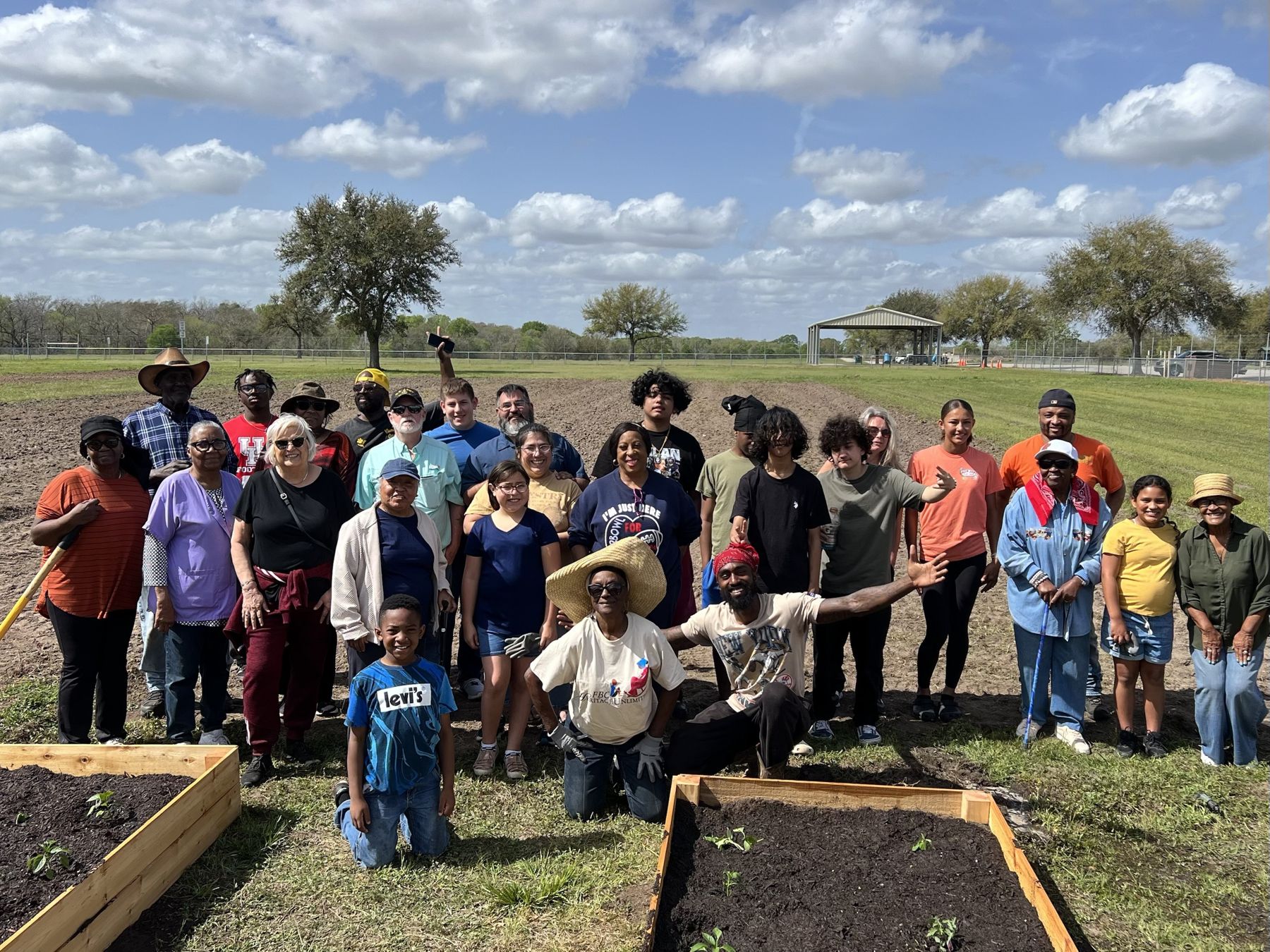
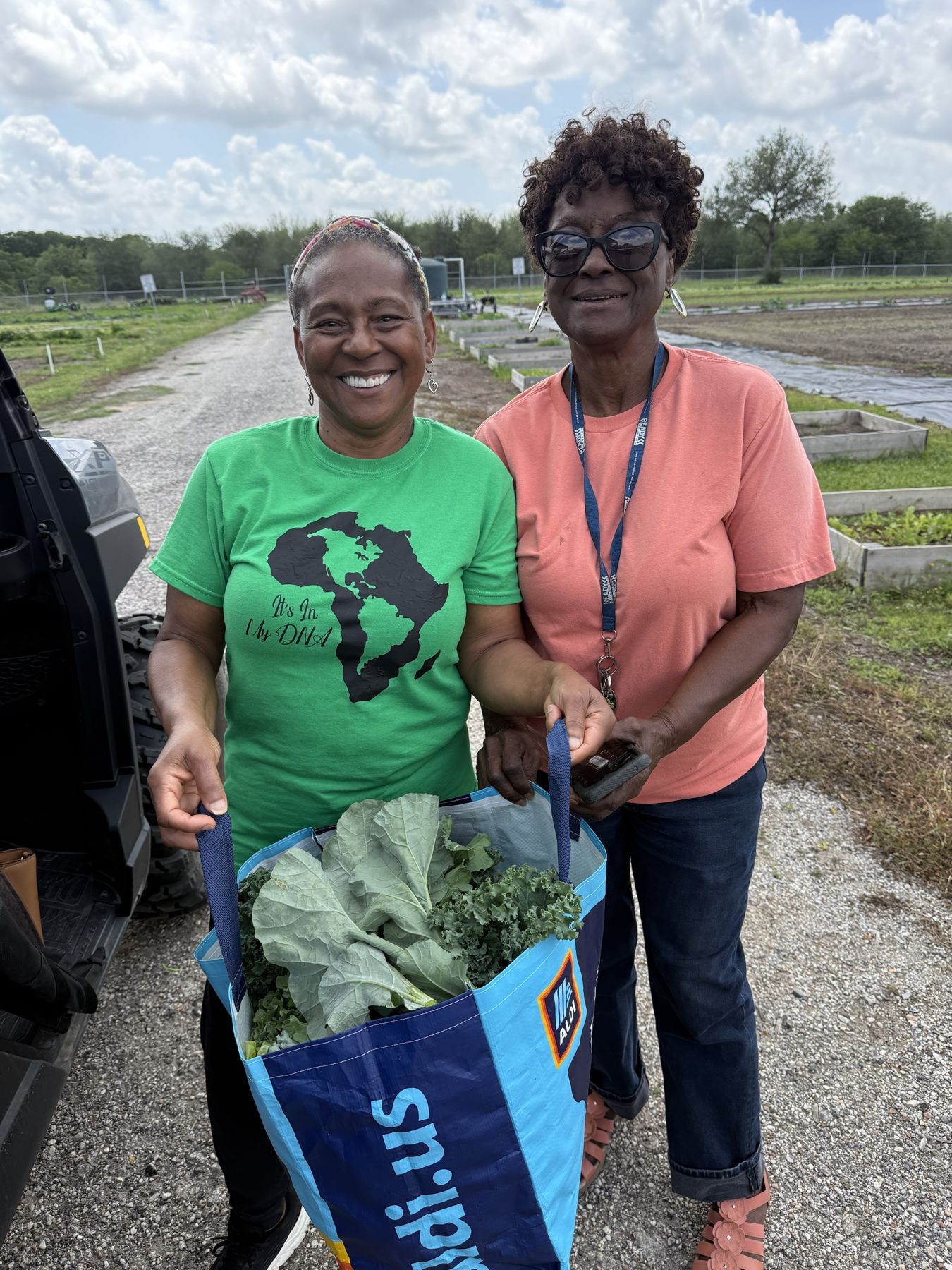
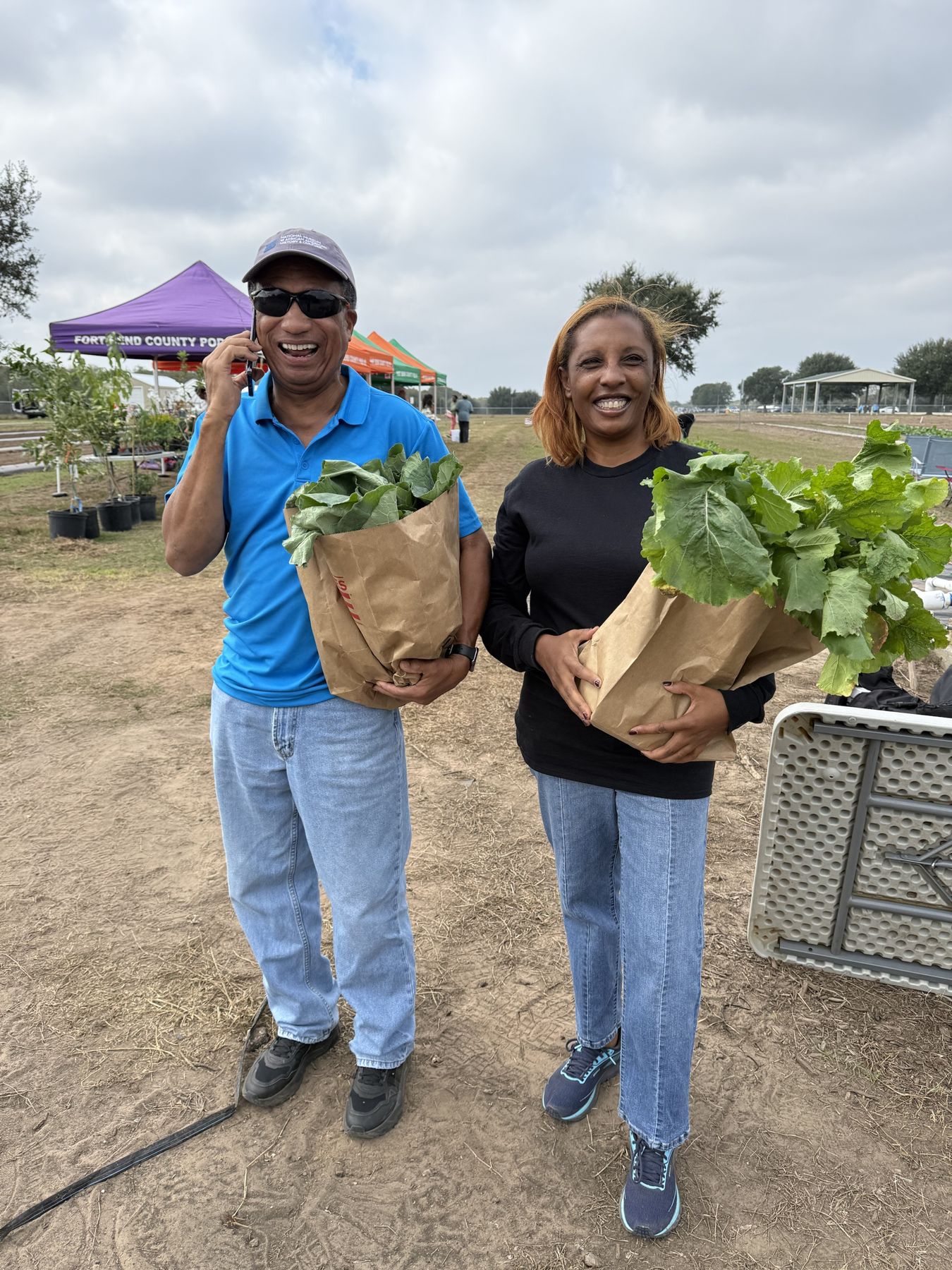
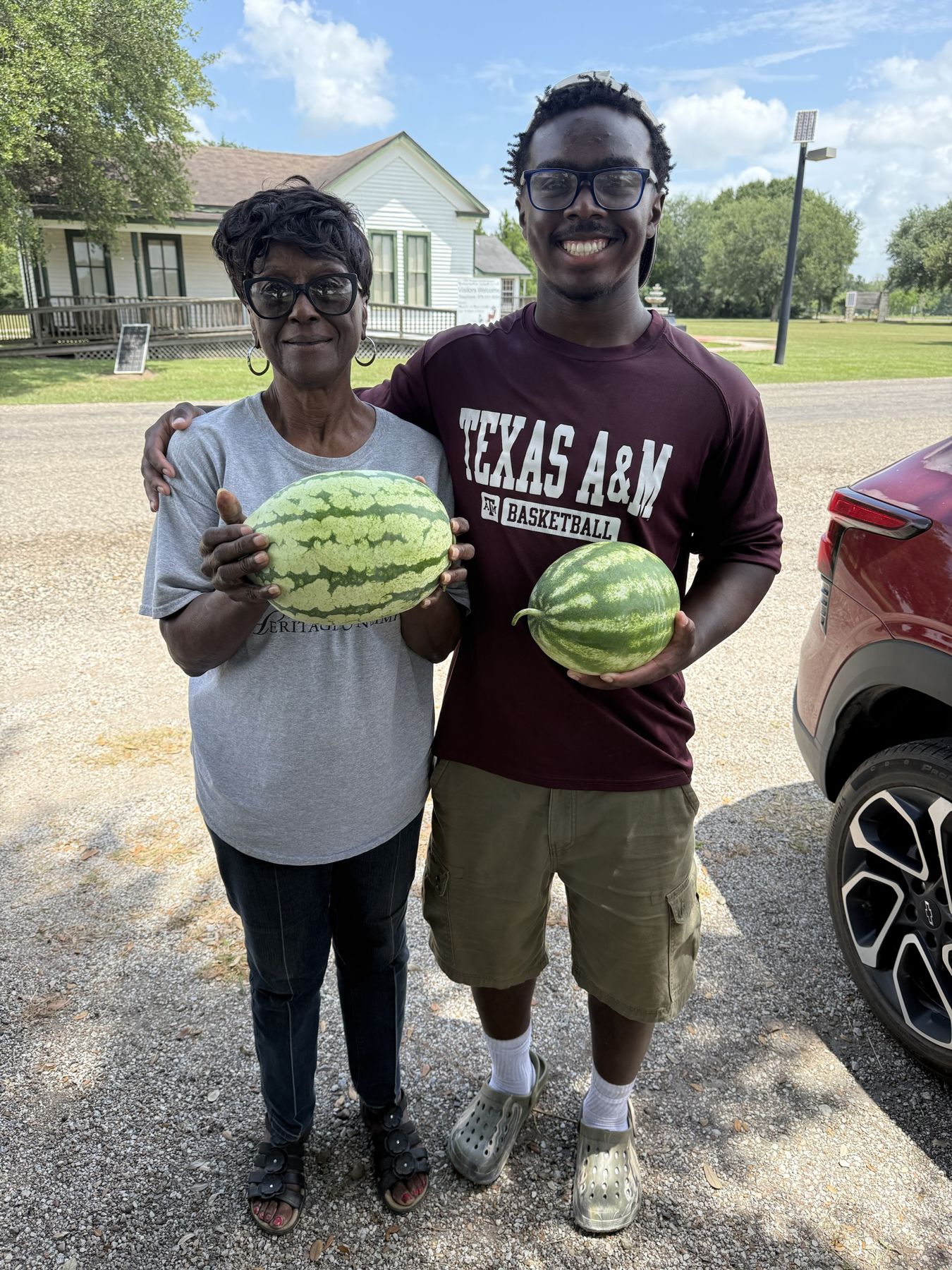
Kendleton Community Farm, Fort Bend County. A community garden we turned into a producing farm, with fresh food going home with neighbors every week.
The farmer behind it
Fifth generation. Still building.
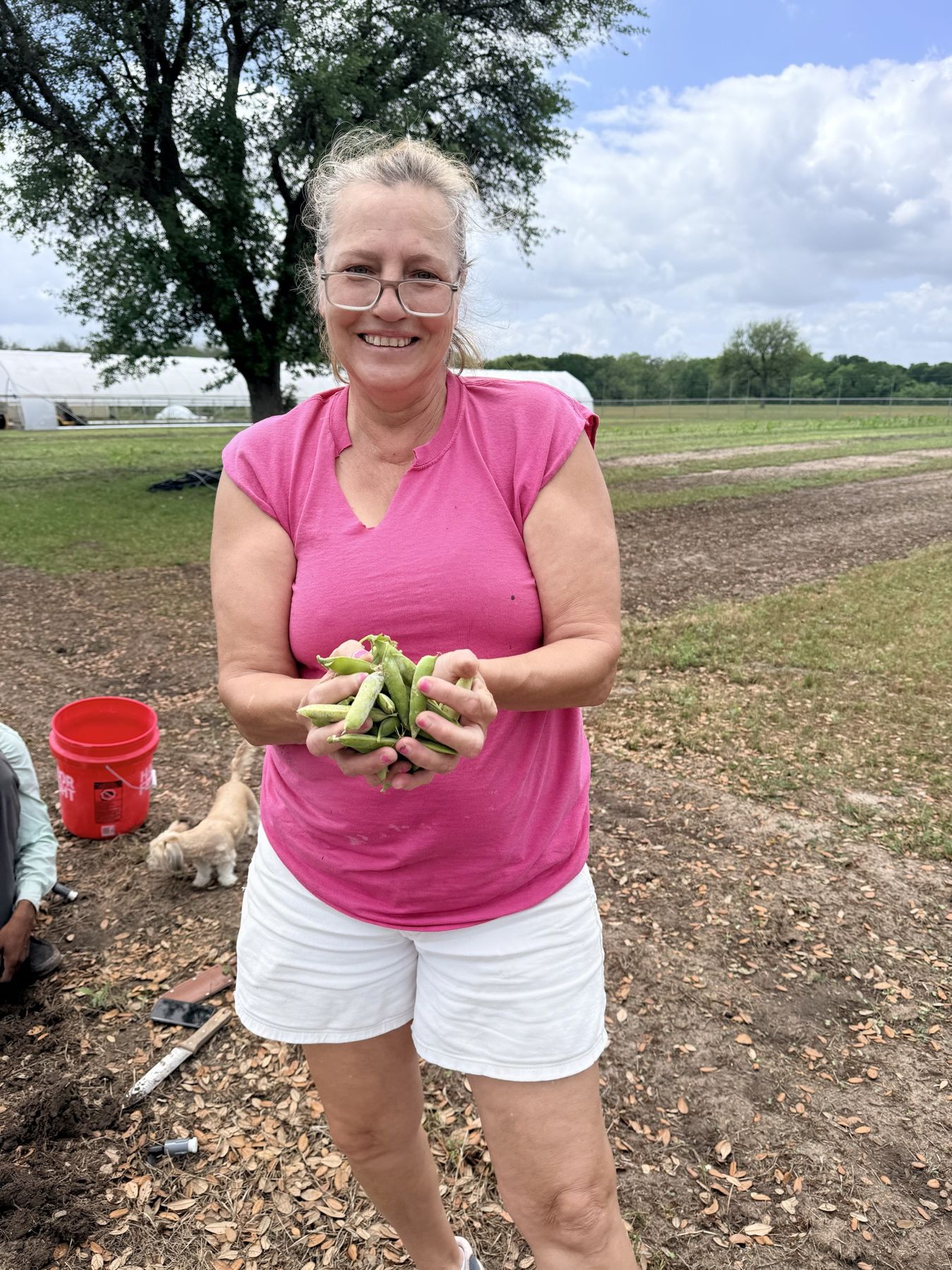
Courtney Grigsby is a fifth-generation farmer from the Arkansas Delta. He runs the family operation in Lincoln County with regenerative practices, cover crops and no-till, and works as a USDA research cooperator measuring what those practices do for soil.
In Fort Bend County he turned a community garden into a producing farm that sent fresh food to food-insecure households every week, year-round. Broadfork is that work, repeated on purpose, as many times as Texas will let us.
Have land, people or purpose? Let's build a farm.
Every build starts with a site walk. Half a day on your ground, and you get a written read on soil, water, access, people and calendar, whether or not we build together.
Request a site walk
We reply within two business days. No mailing list.
Broadfork · Houston, Texas
© 2026 Broadfork Farm Management LLC